
Get Your HVAC Ready for Fall: Essential Maintenance and Cost Guide
Fall HVAC maintenance ensures your heating and cooling system transitions smoothly from summer to winter, reducing breakdown risks and optimizing performance. In this guide, homeowners and business owners discover how seasonal tune-ups improve energy efficiency, enhance indoor air quality, extend system lifespan and boost safety. You will learn a comprehensive furnace tune-up checklist, local cost transparency for McDonough, GA, AC winterization best practices, a complete fall HVAC maintenance schedule, the advantages of professional service plans from One Call Heating & Cooling, and budgeting insights. By following these steps and understanding preventive benefits, you’ll prepare your HVAC for cooler months and secure reliable, cost-effective comfort all season.
Why Is Fall HVAC Maintenance Crucial for Your Home or Business?
Fall HVAC maintenance prepares equipment for heating demands, preventing inefficient operation and costly repairs by inspecting and servicing critical components before colder weather. Regular inspections uncover minor issues such as leaks, clogged filters or worn belts that, if left unaddressed, can escalate into major failures during peak heating season. For example, identifying a cracked heat exchanger early avoids safety hazards and emergency replacement.
Maintaining HVAC systems in fall also aligns with seasonal energy-efficiency strategies, lowering utility bills while promoting sustainability. Ensuring optimal burner function, airflow balance and thermostat calibration cuts energy waste, translating into substantial annual savings. This proactive care builds on the energy-saving potential discussed next.
How Does Fall Maintenance Boost Energy Efficiency and Lower Bills?
Fall maintenance improves energy efficiency by replacing dirty air filters, cleaning coils and calibrating thermostats, ensuring the HVAC system operates at peak capacity. Clean airflow pathways reduce blower motor strain and prevent short-cycling, which conserves electricity and fuel consumption. For instance, replacing a clogged filter can restore up to 15% of airflow efficiency, directly reducing heating costs on the first cold day. Maintenance agreements can ensure your HVAC system is properly maintained for optimal performance.
Optimized burner adjustments and refrigerant level checks also eliminate energy-wasting fluctuations, helping homeowners notice lower monthly statements. Identifying minor gas leaks or refrigerant imbalances stops hidden energy drains before they spike utility bills. Those savings illustrate why fall preparation is an investment that pays off immediately and throughout winter.
What Safety Perks Come with a Fall Heating System Check?
A fall safety check verifies safe operation of combustion components, reducing carbon monoxide risks and preventing fire hazards by inspecting heat exchangers, flue passages and electrical connections. Testing safety controls, such as limit switches and circuit breakers, ensures immediate system shutdown in unsafe conditions. For example, detecting a hairline crack in a heat exchanger prevents deadly exhaust leaks into living or working spaces.
Proper ventilation inspections confirm exhaust pathways remain clear of debris or nests, safeguarding indoor air quality and occupant well-being. This level of scrutiny on safety features paves the way for extended equipment life, as detailed in the next section.
How Does Regular Maintenance Extend HVAC System Lifespan?
Regular maintenance extends HVAC lifespan by cleaning moving parts, tightening electrical connections and lubricating motors, which reduces wear and tear on critical components. Addressing minor airflow restrictions and mechanical misalignments early prevents stress on compressors and blowers, cutting the risk of premature failures. For instance, a well-tuned furnace can last up to 20 years, compared to 12–15 years for neglected equipment.
Routine inspections also include checking refrigerant pressures and thermostat accuracy, which protects the compressor from unnecessary cycling and overheating. Consistent preventive care ensures each subsystem performs harmoniously, reinforcing the long-term value of fall tune-ups for any residential or commercial installation.
Why Is Indoor Air Quality Better After Fall HVAC Care?
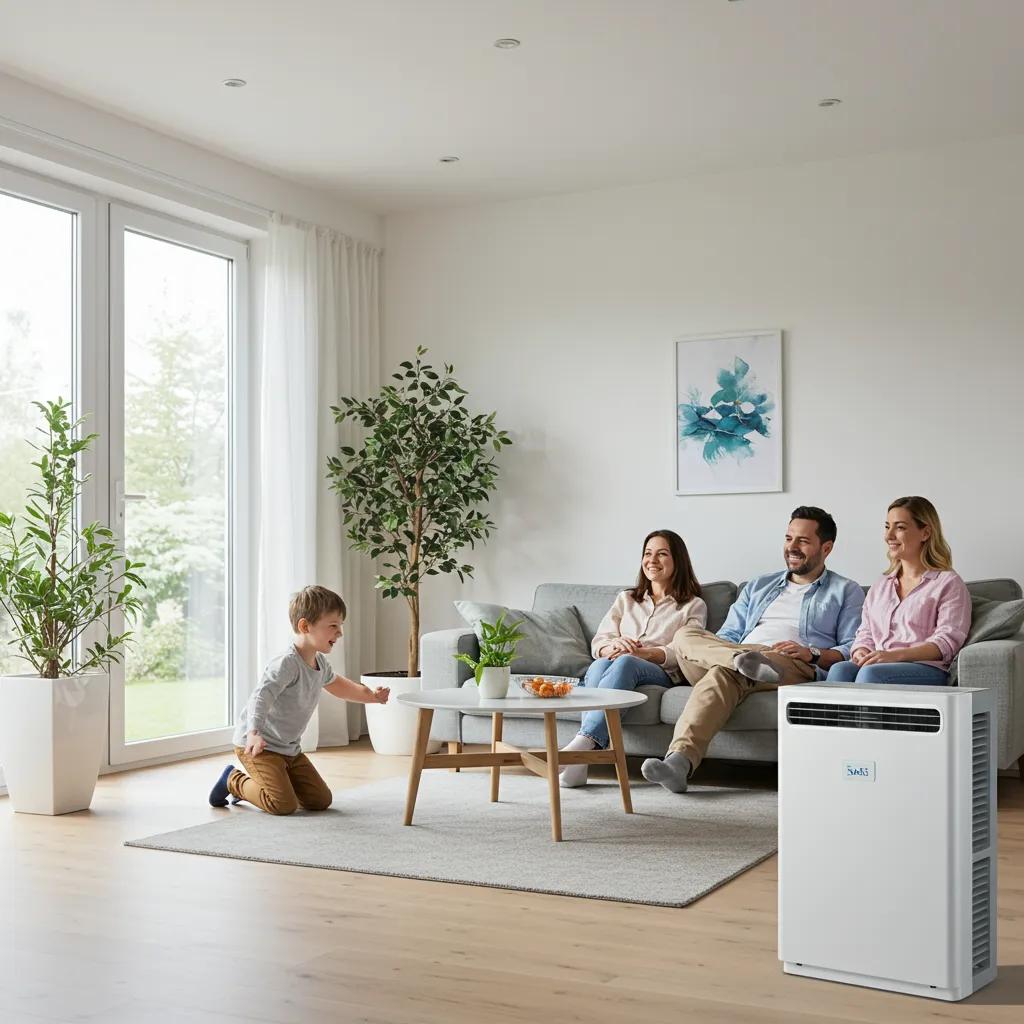
Indoor air quality improves after fall HVAC care because clean filters, sanitized coils and clear drain lines remove dust, pollen and microbial growth. Freshly cleaned coils eliminate mold colonies that thrive on moisture, reducing airborne spore circulation and allergens. For example, replacing a MERV-rated filter stops over 90% of particulates, which benefits occupants with respiratory sensitivities.
Duct inspections and minor sealing repairs prevent dust infiltration and maintain balanced airflow, promoting healthier breathing environments. These improvements directly support the energy and safety benefits outlined earlier, ensuring a comprehensive approach to fall preparation.
What’s Included in a Comprehensive Fall Furnace Tune-Up?
A comprehensive fall furnace tune-up covers inspection, cleaning, adjustment and testing of all furnace components to restore peak performance and safety ahead of winter. Starting with a full system evaluation, technicians clean burners, examine heat exchangers, lubricate bearings and calibrate controls. This process aligns with the furnace maintenance checklist below.
Before reviewing the detailed steps, understand that investing in a professional tune-up preserves warranty coverage and leverages manufacturer-recommended procedures.
What Are the Key Steps in a Furnace Tune-Up Checklist?
Below is an ordered checklist for a fall furnace tune-up performed by trained technicians at One Call Heating & Cooling.
- Inspect and clean burners to ensure efficient combustion.
- Examine the heat exchanger for cracks or corrosion.
- Replace or clean the air filter to restore proper airflow.
- Test safety controls and limit switches for reliable shutdown.
- Lubricate blower and motor bearings to reduce friction.
- Check thermostat calibration and electrical connections.
- Verify flue and venting pathways remain clear of obstructions.
- Measure gas pressure and adjust fuel intake for optimal efficiency.
- Examine blower wheel for dirt buildup and clean thoroughly.
- Review system performance under load and document findings.
These steps guarantee safe operation and energy savings, preparing the furnace for sustained winter performance.
How Much Does a Fall Furnace Tune-Up Cost in McDonough, GA?
Fall furnace tune-up cost in McDonough, GA varies by system size and service scope, typically ranging from $80 to $150 for a standard inspection and cleaning. Additional services such as filter replacement or minor repairs may adjust the final price, reflecting local labor rates and parts quality. One Call Heating & Cooling offers transparent pricing with no hidden fees, ensuring homeowners understand cost drivers before authorizing work.
Seasonal service plans and flexible financing further ease budget concerns, allowing property owners to secure fall HVAC care without financial strain. Understanding cost elements leads naturally into the next decision: HVAC financing or professional service.
Should You Choose DIY Furnace Prep or Professional Service?
DIY furnace prep offers basic benefits such as filter replacement and thermostat checks, making it suitable for budget-conscious homeowners comfortable with simple tasks. However, professional service provides a comprehensive safety inspection, precision combustion tuning and warranty-protected procedures. Skipping professional furnace maintenance risks overlooking hidden hazards.
What Are the Risks of Skipping Professional Furnace Maintenance?
Neglecting professional maintenance can lead to undetected carbon monoxide leaks, reduced fuel efficiency up to 20%, voided equipment warranties and premature system failures. Trained technicians identify subtle issues such as minor flue blockages or electrical wear, preventing costly emergency repairs.
How Do You Prepare Your AC for Winter?
Preparing your AC for winter involves cleaning, securing and protecting outdoor components to prevent damage from cold temperatures and debris accumulation. Winterization stops moisture buildup and ice formation in coils, avoiding corrosion and costly spring start-up repairs. Effective AC winterization begins with these best practices.
What Are the Best Practices for AC Winterization?
Follow these steps to winterize your AC unit safely: AC service is essential to ensure optimal performance during cold months.
- Shut off power at the breaker to prevent accidental operation.
- Drain water from condensate lines to avoid freeze damage.
- Clean coils and remove debris around the outdoor unit.
- Apply a breathable cover to shield from precipitation and leaves.
- Insulate exposed refrigerant lines with foam sleeves.
Properly winterized AC units resume operation smoothly in spring, reducing repair costs and downtime.
How Should You Cover and Protect Your Outdoor AC Unit?
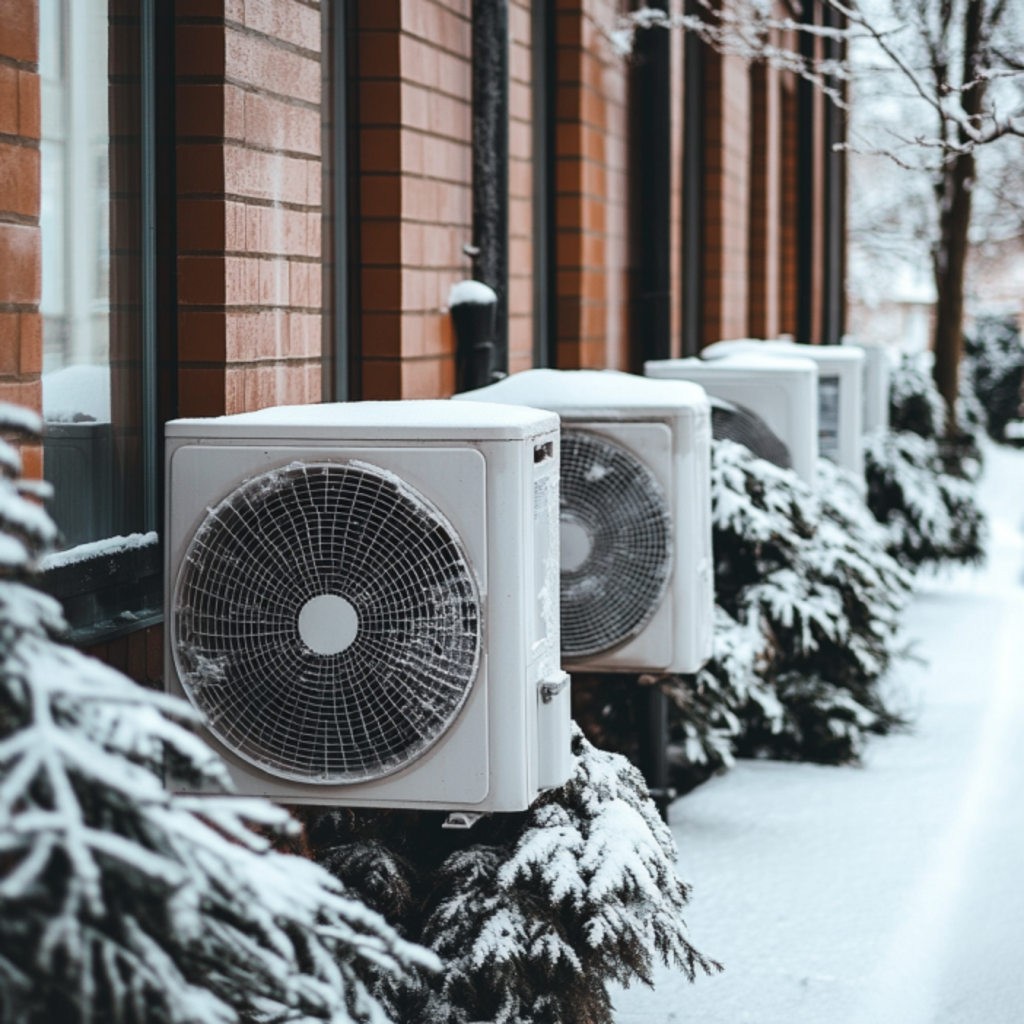
Use a tailor-made cover that allows ventilation to prevent mold and rust while keeping out rain and debris. Secure the cover around the base to avoid wind displacement and protect fan blades from mechanical damage. This protective measure preserves coil integrity and supports the comprehensive checklist that follows.
When and How Should You Clean Outdoor AC Coils in Fall?
Clean outdoor AC coils after the outdoor temperature consistently falls below 60°F to ensure refrigerant remains above freezing during cleaning. Use a mild coil cleaner and soft bristle brush, rinsing gently to remove grime without bending delicate fins. Regular coil cleaning restores heat exchange efficiency and reduces compressor workload.
How to Prepare Heat Pumps for the Fall and Winter Seasons?
Heat pump fall preparation includes switching to heating mode briefly to verify functionality, inspecting defrost cycles and cleaning both indoor and outdoor coils. Lubricate fan motors and clear surrounding vegetation to maintain airflow. Checking refrigerant levels ensures the heat pump delivers reliable warmth on demand.
What Does a Complete Fall HVAC Maintenance Checklist Include?
| Component | Task | Benefit |
|---|---|---|
| Air Filters | Replace or clean MERV-rated filters | Maintains airflow and protects coils |
| Thermostat | Recalibrate or upgrade to programmable | Optimizes temperature control and savings |
| Ductwork | Inspect for leaks and clean as needed | Improves distribution and air quality |
| Heat Exchanger / Coils | Visual inspection and cleaning | Prevents corrosion and safety issues |
| Safety Controls | Test limit switches and controls | Ensures reliable emergency shutdowns |
| Refrigerant Lines | Check levels and inspect insulation | Preserves cooling efficiency |
| Outdoor Units | Clear debris and apply breathable cover | Prevents freeze damage and corrosion |
How Often Should You Replace or Clean HVAC Air Filters in Fall?
Replace or clean air filters every 30 to 90 days during fall, depending on filter rating and indoor allergen levels. High-MERV filters typically require more frequent checks, especially in pet-friendly or dusty environments. Consistent filter maintenance sustains airflow efficiency and protects heat exchangers from premature fouling.
How Can You Optimize Thermostat Settings for the Heating Season?
Optimizing thermostat settings involves programming a setback schedule that lowers temperature when spaces are unoccupied, then raises it before return times. Installing a programmable or smart thermostat enhances remote control and learning capabilities, further reducing energy consumption. Fine-tuning temperature differentials by just 1–2°F can save up to 10% on heating bills.
Why Is Ductwork Cleaning and Inspection Important in Fall?
Ductwork cleaning and inspection remove accumulated dust, mold and animal intrusion, maintaining healthy indoor air quality and preventing pressure imbalances. Sealing small leaks improves system efficiency by up to 20%, lowering operational costs. Well-maintained ducts also distribute heat more evenly, minimizing hot or cold spots.
How Does Fall HVAC Care Improve Indoor Air Quality?
Fall HVAC care improves indoor air quality by removing airborne contaminants through filter replacement, coil sanitization and duct cleaning. Clean blowers and unobstructed vents facilitate balanced airflow, reducing pollutant circulation. Enhanced air quality supports occupant health and complements the safety benefits of fall maintenance.
Why Should You Choose Professional HVAC Services for Fall Maintenance?
Professional HVAC services bring expert diagnostics, precision adjustments and warranty-compliant procedures that DIY efforts typically cannot match. Certified technicians use specialized tools to evaluate combustion efficiency, refrigerant pressures and electrical integrity, ensuring systems perform safely and efficiently. Leveraging professional expertise provides peace of mind and long-term cost savings.
What Are the Benefits of One Call Heating & Cooling’s Fall Service Plans?
One Call Heating & Cooling’s fall service plans include priority scheduling, discounted tune-ups, member-only system inspections and flexible financing options. Clients benefit from free consultations, emergency service availability and high-quality parts backed by manufacturer warranties. This comprehensive approach combines preventive care with rapid response coverage.
How Does Professional Maintenance Prevent Costly Repairs?
Professional maintenance prevents costly repairs by identifying wear patterns, minor leaks and electrical faults before they escalate. Early detection of coil corrosion or motor bearing issues reduces the likelihood of compressor failures and unplanned shutdowns. A documented service history also supports warranty claims, avoiding out-of-pocket expenses.
What Emergency Services Are Available During Fall?
Emergency services during fall include 24/7 heating system diagnostics, urgent repairs for pilot light failures or thermostat malfunctions and rapid response for carbon monoxide concerns. Immediate access to technicians prevents extended downtime on unexpectedly cold days, ensuring comfort and safety for all occupants.
How Can Flexible Financing Help with Fall HVAC Maintenance Costs?
Flexible financing allows spreading tune-up and repair costs over several months with low or no interest plans. This budget-friendly approach ensures that property owners can invest in preventive care without deferring essential maintenance. Financing options support peace of mind and steady cash flow management for both homeowners and businesses.
How Much Does Fall HVAC Maintenance Typically Cost?
Fall HVAC maintenance costs vary based on service scope, equipment age and local labor rates, averaging $150 to $300 for combined furnace tune-up and AC winterization. Variables such as filter type, refrigerant top-up requirements and duct cleaning influence the final investment. Understanding these cost drivers helps in planning a realistic budget.
What Factors Influence the Cost of Furnace Tune-Ups and AC Winterization?
Key cost factors include system age, filter specifications, refrigerant type and accessibility of components. High-efficiency or older systems may require additional cleaning or calibration steps, raising labor time. Geographic location and emergency service premiums also affect pricing, reflecting regional demand and technician availability.
How Does Local Weather Affect HVAC Maintenance Needs and Pricing?
Regional temperature swings, humidity levels and seasonal pollen loads determine maintenance frequency and complexity. In McDonough, GA, fall brings moderate temperatures combined with lingering humidity, necessitating thorough coil cleaning and condensate line checks. Seasonal weather patterns guide service timing and ensure technicians allocate adequate resources for peak periods.
What Is the Value of Investing in Seasonal HVAC Maintenance?
Investing in seasonal maintenance delivers a return through extended equipment life, up to 30% energy savings, reduced emergency repair costs and improved indoor comfort. Preventive care protects system warranties, stabilizes monthly utility expenses and safeguards indoor air quality. This value proposition outweighs the upfront service expense, making fall preparation an essential annual practice.
How Can You Schedule and Prepare for Your Fall HVAC Service?
Scheduling and preparing for fall HVAC service ensures a smooth, productive technician visit and immediate system readiness. Knowing optimal timing, expectations and consultation options empowers property owners to secure seamless preventive care.
When Is the Best Time to Schedule Your Fall HVAC Maintenance?
The best time to schedule fall HVAC maintenance is late August to early October, before peak heating demand begins. Booking during this window ensures full technician availability, shorter wait times and pre-season pricing incentives. Early scheduling also prevents system stress when temperatures drop unexpectedly.
What Should You Expect During a Professional Fall HVAC Service Visit?
During a professional service visit, technicians perform a safety inspection, clean core components, test operational parameters and calibrate controls. You will receive a detailed report of findings, recommended repairs and performance metrics. Open communication ensures you understand identified issues and projected benefits before approval.
How to Get a Free Consultation and Emergency Service from One Call Heating & Cooling?
Contact One Call Heating & Cooling to request a free fall HVAC consultation and learn about emergency service availability. Their team offers flexible appointment times, member-plan discounts and financing options to match your needs. Professional guidance and responsive support simplify seasonal maintenance planning.
Fall HVAC preparation combines energy savings, enhanced safety, improved air quality and extended system life into one strategic process. By following the comprehensive checklists, understanding local cost factors and leveraging professional plans from One Call Heating & Cooling, property owners secure reliable comfort and protect their investment throughout the heating season. Schedule your fall service early to enjoy efficient operation, peace of mind and guaranteed system performance when temperatures drop.