

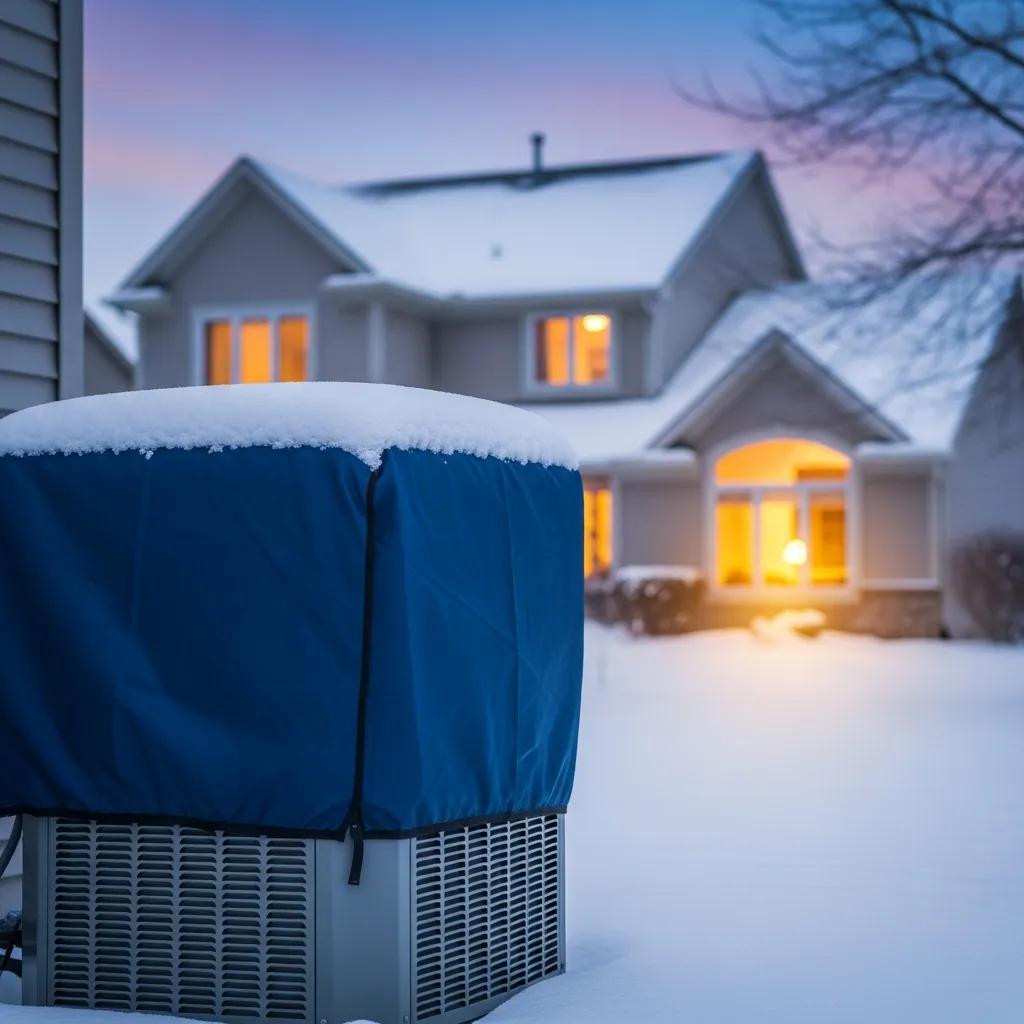
Winterize Your AC: Simple, Practical Steps to Protect Your Unit
As temperatures slip, taking a few minutes to winterize your air conditioner can save you time and money later. Winterizing keeps moisture and freezing temps from harming parts, helps your unit last longer, and avoids surprise repairs when summer rolls back around. This guide walks you through what to do, when to do it, and when a professional tune-up makes sense—so your system’s ready when you need it.
Why winterize your AC?
Winterizing protects the unit from freeze damage, reduces corrosion risk, and helps maintain performance. Skipping this basic care can lead to costly fixes and lower efficiency when you fire the system up again.
Looking beyond homes, engineers and manufacturers have long studied how best to protect equipment from cold weather — the same principles apply to HVAC systems.
Lessons from Winterizing Equipment for Cold Climates
A technical review of winterization practices summarizes common problems and the materials and design approaches used to protect construction equipment and related systems in moderate to extreme cold. These findings help shape sensible, proven strategies for protecting outdoor gear like AC units.
“STATE OF THE ART” REPORT ON WINTERIZATION OF CONSTRUCTION EQUIPMENT, 1964
Benefits of winterizing your AC
Winterizing pays off in several practical ways:
- Lower Repair Costs : Stopping winter damage now means fewer emergency repairs in spring.
- Less Moisture Damage : Proper prep reduces condensation and corrosion risk.
- Longer Equipment Life : Routine care helps your system run reliably for more years.
Problems winterization prevents
Skipping winter prep can expose your unit to avoidable problems:
- Freeze Damage : Trapped water can freeze, crack components, and warp housings.
- Corrosion : Moisture and debris speed rust and electrical issues.
- Higher Repair Bills : Damage left unrepaired leads to bigger, more expensive fixes later.
The stakes for winter readiness can stretch beyond one unit; large-scale under-prepared systems have caused serious outages and economic impacts in extreme cases.
The Cost and Risk of Skipping Winter Prep
Failure to winterize large power infrastructure contributed to major rolling blackouts in Texas in 2021. That event highlights how winter readiness affects reliability and why investing in protection matters.
Profitability and investment risk of Texan power system winterization, G Laaha, 2022
When to prep your AC for winter in Georgia
In Georgia, plan to winterize in late fall—after you stop cooling for the season but before hard freezes arrive. Local weather patterns will guide the exact timing.
How Georgia's climate affects timing
Georgia’s winters are milder than northern states, so you may not need to rush. Still, unexpected cold snaps can happen, especially up north, so don’t wait until the first freeze is on the calendar.
Seasonal signs it's time to winterize
Watch for these practical clues:
- Nighttime temperature drops : Regular nights below 50°F (10°C) are a good cue to prepare.
- First frost : Seeing frost means it’s time to finish winter prep.
- Falling leaves : When foliage is dropping, clear debris and cover the unit.
Step-by-step: how to winterize your AC unit
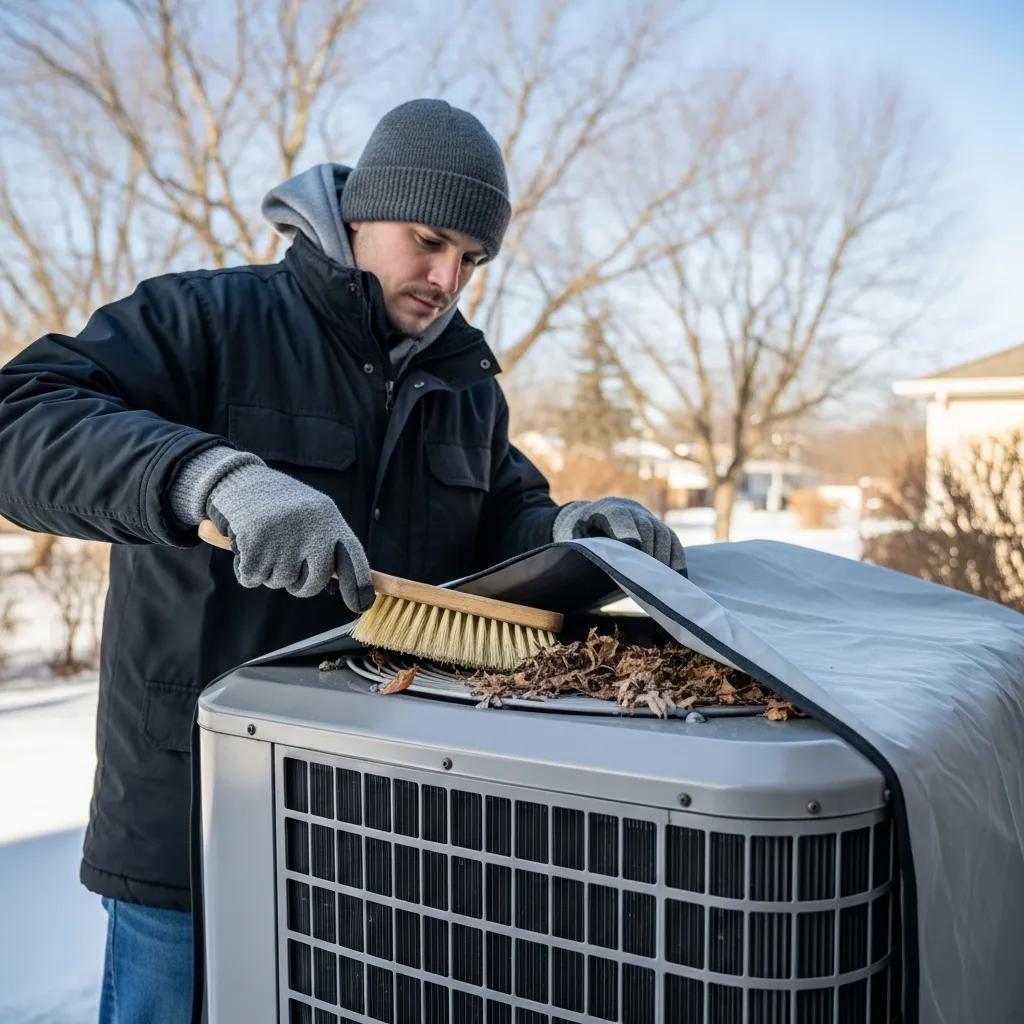
Follow these key steps to protect your outdoor unit through the cold months.
Safely disconnect power to the unit
- Find the power switch : The disconnect is usually mounted near the outdoor unit or in your main electrical panel.
- Wear protective gear : Gloves and safety glasses help prevent injuries while you work.
- Shut off power properly : Turn off the unit at the disconnect box or the breaker before you start maintenance.
Clean and cover the unit the right way
- Remove debris : Rake away leaves, sticks, and grass to keep moisture from collecting.
- Clean gently : Brush or rinse dirt from fins and coils—avoid bending the fins.
- Pick the right cover : Use a cover designed for outdoor AC units and your local climate.
- Secure the cover : Fasten straps or ties so wind won’t blow it off.
Choosing and installing an AC cover for winter
A good cover protects without trapping moisture. Pick one that matches your unit and climate for best results. For more information, visit the blog.
Best cover types for cold weather
- Breathable covers : Let moisture escape while blocking snow and ice—often the best all-around option.
- Water-resistant covers : Useful where precipitation is heavier; they balance protection with some airflow.
- Insulated covers : Offer extra cold protection but are usually unnecessary in milder climates like much of Georgia.
How to install a breathable cover to avoid trapped moisture
- Position correctly : Drape the cover so it fits snugly and sits level on the unit.
- Secure it : Use the manufacturer’s straps or ties to keep it in place.
- Allow airflow : Make sure the cover design allows some ventilation to prevent condensation buildup underneath.
When to consider professional winterization
While many homeowners can handle basic winter prep, our technicians catch issues homeowners often miss. If you prefer a hands-off approach or want a full checkup, schedule a professional service for peace of mind.
What a professional winterization includes
- Full component inspection : Technicians look for wear, leaks, and other problems before they get worse.
- Thorough cleaning and maintenance : We remove debris and address things that can affect performance.
- Refrigerant and system checks : Proper refrigerant levels and system health mean fewer surprises in spring.
How professional service helps longevity and efficiency
- Preventive care : Routine checks catch small problems before they grow.
- Saves money over time : Avoiding major repairs is typically cheaper than fixing failures later.
- Better energy efficiency : A well-kept unit uses less power when it’s running.
Protecting pipes and refrigerant lines from freezing
Pipes and refrigerant lines are vulnerable in cold weather. Add insulation and address visible wear to keep them safe.
Effective insulation materials for AC pipes
- Foam pipe insulation : Easy to install and provides solid thermal protection.
- Reflective insulation : Works well with foam to reflect radiant heat and add protection.
- Fiberglass insulation : Good thermal resistance but less common outdoors for AC lines.
When to call a pro for pipe protection
- Visible damage : Cracks, exposed areas, or leaks need immediate attention.
- Complicated insulation needs : If routing or pipe layout makes DIY insulation hard, call a technician.
- Emergencies : Any urgent issue that risks major damage should be handled professionally.
| Service | Description | Benefits |
|---|---|---|
| Professional Inspection | A thorough, system-wide check of your outdoor unit | Finds small issues before they become big problems |
| Cleaning Services | Deep cleaning of coils, fins, and surrounding area | Boosts efficiency and helps the unit last longer |
| Refrigerant Check | Verifies proper refrigerant charge and system operation | Prevents performance problems and unexpected failures |
Winterizing is a simple step that protects performance and reduces repair risk. Follow the steps above or bring in a pro to handle the job thoroughly—either way, you’ll be protecting your HVAC investment and cutting the chance of costly surprises.
Frequently Asked Questions
What are the signs that my AC unit needs winterization?
Signs to winterize include regular nighttime temps below 50°F (10°C), the first frost, and a lot of falling leaves around the unit. If you see debris buildup or wetness collecting near the base, treat that as a cue to act.
Can I winterize my AC unit myself, or should I hire a professional?
Basic tasks—like clearing debris, shutting power off, and covering the unit—are homeowner-friendly. If you want a complete inspection, refrigerant check, or you find damage, hiring a technician ensures the job is done safely and thoroughly.
How can I tell if my AC pipes are properly insulated?
Look for continuous insulation with no gaps, cracks, or exposed sections. If the insulation is brittle, missing, or the pipes feel cold to the touch when it’s chilly outside, those are signs the insulation needs attention.
What should I do if I notice damage to my AC unit during winterization?
If you spot cracks, leaks, or broken components, stop and call a technician. Minor cosmetic issues can wait, but anything that could let moisture in or affect operation should be repaired before winter sets in.
Are there specific winterization products I should use?
Choose breathable covers to reduce trapped moisture and use closed-cell foam for pipe insulation. Always pick products rated for outdoor HVAC use and sized to fit your unit.
How often should I winterize my AC unit?
Annual winterization—ideally in late fall before the first hard freeze—is recommended. If you live where winters are severe or have an older unit, consider maintenance agreements midseason.
What are the long-term benefits of winterizing my AC unit?
Regular winter care lowers repair costs, improves reliability, and helps your unit run more efficiently when it’s needed again. Think of winterizing as inexpensive insurance for your HVAC system.
Conclusion
Don’t wait for winter to cause avoidable damage. A few straightforward steps—plus a professional check when needed—will keep your AC in good shape and reduce the risk of expensive problems later. Protect your system now and enjoy reliable performance next cooling season.